Download The Wolof of Senegambia: Western Africa Part XIV - David P Gamble file in PDF
Related searches:
To this day it continues to play that role, serving the west as a gateway for economic and political penetration into the african.
Senegal, the gambia, northern guinea bissau, southern mauritania, a bit of western mali. Senegambia is the most developed nation in western sub-saharan africa, and one of the nations in africa with the highest standard of living. It also has one of the highest percentages of vegetarians in sub-saharan africa.
In the senegambia region, between 1300 and 1900, close to one-third of the population was enslaved, typically as a result of being taken captive in warfare. In the 14th century the jolof empire grew more powerful, having united cayor and the kingdoms of baol, siné, saloum, waalo, futa tooro and bambouk, or much of present-day west africa.
This video is all about wolof, an important language spoken in west africa! ***this is a re-release of a video i first released last year.
There are many tribes but the main ones are mandinka, wolof, fula and jola, each islam came to this part of west africa across the sahara early in the second.
The manuscripts primarily consist of wolofal (wolof ajami) materials written by the members of the muridiyya sufi order founded in senegal in 1883 by ahmadou bamba (ca 1853-1927) and include satirical, polemical, and protest poetry, as well as biographies, eulogies, genealogies, talismanic resources, therapeutic medical manuals, historical records, instructions on codes of conduct, a translation (with commentaries) of the qur'an in wolof ajami script, and two volumes of the internal.
Economic turmoil has been a primary driver of emigration from the gambia, located in west africa and the smallest country on the african continent.
Routledge is proud to be re-issuing this landmark series in association with the international african institute. The series, published between 1950 and 1977, brings together a wealth of previously un-co-ordinated material on the ethnic groupings and social conditions of african peoples. Concise, critical and (for its time) accurate, the ethnographic survey contains sections as follows.
The wolof empire (also spelt wollof, jolof or jollof) emerged soon after 300 ad in the senegambia valley between the gambia and senegal rivers.
12 jul 2018 the mandinka or mandingo, make up the largest ethnic group in the gambia. They are a west african ethnic group descended from the mali.
The gambia became the last of britain's west african colonies to attain full of the senegambia confederation in 1982, which aimed to unify the political, with sabar, the traditional drumming and dancing of the wolof and serer.
Each of the 50 volumes will be available to buy individually, and these are organized into regional sub-groups: east central africa, north-eastern africa, southern africa, west central africa, western africa, and central africa belgian congo.
The wolof empire (also translated as jolof or djolof) was a coastal empire in west africa between the mighty senegal and gambia rivers.
Senegal is located in west africa, it has an estimated population of 13 million people while french is the official language, the wolof, pulaar, jola and mandinka in the senegambia region, between 1300 and 1900, close to one- thir.
The wolof constitute a large ethnic group inhabiting the west african country of senegal, a former french colony, and gambia, a former british colony. Wolof is the name by which the people refer to themselves, and it is also the name of their indigenous language. They manifest a highly conscious sense of ethnic identity and ethnic pride.
23 aug 2019 how jollof rice became west africa's iconic dish and a point of banter in the senegambia region of west africa, in the ancient wolof or jolof.
The dominant ethnic tribes of the nation of senegambia in the west africa. The wolof states were the first to trade with sailing europeans in the 1400s. Wolof tribe will use four drums, one for lead, one rhythm, one bass and one talking drum.
Jul 23, 2012 - the portuguese arrived in the jolof empire between 1444 and 1510, leaving detailed accounts of a very advanced political system. [5] there was a developed hierarchical system involving different classes of royal and non-royal nobles, free men, occupational castes and slaves.
Because we are new yorkers, we are following the musical triangle feed-back loop — west africa, cuba, new york, dakar.
14th–16th century), state that dominated what is now inland senegal during the early period of european contact with west africa. Founded soon after 1200, the wolof state was ruled by a king, or burba, whose duties were both political and religious. During the 14th century, it began to develop satellite states, of which the most important was cayor.
Abstract following the late fifteenth- and sixteenth-century cavalry revolution in senegambia, the horse and slave trade became a major sector of the desert-edge political economy.
Coolen from the deserts of mauritania to those of niger and chad, there are numerous plucked lute traditions with histories stretching back for cen-turies. 1), this instrument is called the xalam,1 and the xalam tradition is an integral part of wolof.
The wolof people are a west african ethnic group found in northwestern senegal, the gambia, and southwestern coastal mauritania. In senegal, the wolof are the largest ethnic group, while elsewhere they are a minority. They refer to themselves as wolof and speak the wolof language, in the west atlantic branch of the niger–congo family of languages.
Senegambian region of west africa is examined through representative group of people, the wolof, who provided significant number of slaves to the united.
Buy the wolof of senegambia: western africa part xiv on amazon.
Griots - known in the local parlance as ‘ jalis’ in mandinka, ‘ gewel ’ in wolof and ‘ gawlo ’ in fula - are praise singers and heralds of the court of ancient royalties and nobility in west africa. In order words, they are a caste in gambian society just like artisans, nobles and slaves.
Wolof language as a west-atlantic language mainly spoken in senegal and gambia, wolof is also used in the southern part of mauritania. Nowadays, migration, business, and trade have broadened the horizons of the language to some parts of guinea, guinea-bissau, and mali.
) may be used to solidify the current “senegal” region (hundreds of gambian samples from various ethnic groups are possibly to be obtained via the malariagen database�).
By tijan m� sallah this description of the history and culture of the people living in west africa's senegambia region includes information on commerce.
The wolof people migrated from the the sahara in the 12th of 13th century sometime after the defeat of the ghana empire. They moved to the senegambia valley, an area between the senegal and gambia rivers. They were known as the merchants of the west because trading is such a huge part of their history and popularity(gateway-africa.
) may be used to solidify the current “senegal” region (hundreds of gambian samples from various ethnic groups are possibly to be obtained via the malariagen database!). Helping to pinpoint such lineage while also creating a sharper delineation for the “senegal” region.
These three groups of wolof-speakers comprise about 80% of the population, making senegal one of the most linguistically unified countries in west africa ( mbodj 1994). Additionally, wolof is spoken by the majority of people in the gambia. Wolof is a member of the west atlantic sub-branch of the niger-congo language family.
Senegal became part of the mal empire in 1235, and the smaller wolof empire began as a wolof empire tributary state before receiving full independence in 1360. The wolof empire was at the height of its power by the time the portuguese became the first europeans to visit present-day senegal in 1444.
The senegambia as a region encompassed senegal, the gambia, guinea bissau and parts of mali, mauritania, and guinea. Agriculture was the bedrock of the senegambia region’s traditional economy.
La famille wolof: tradition et changement 1985: diop, abdoulaye bara. La sociéte wolof: tradition et changement� les systèmes d'inégalité et de domination 1981: faidherbe, louis léon césar, 1818-1889.
3 hectares situated on the coast just south of the senegambia area of kololi. Music of the gambia (1,048 words) [view diff] exact match in snippet view article find links to article.
The wolofs are very prominent in the capital city of banjul and are prominent in the senegambia region. Their language is the lingua franca for gambia and can be heard being spoken in trading centres and family compounds.
From the atlantic ocean on the west, the wolof extend to the ferlo desert, some 185 miles (300 kilometers) east. The wolof make up about 40 percent of the 9 million senegalese.
The wolof of senegambia by david p gamble and a great selection of related books, art and collectibles available now at abebooks.
The senegambian states of the west african coast possessed a homogeneous culture. They were a center in the trade from north africa and the middle east. They became an important center for the transatlantic slave trade. Ghana and mali controlled much of senegambia, but other states remained independent.
While most of his peers wrote their theses on their native societies, barry, a fulbe speaker, chose to write on waalo, a small wolof state at the mouth of the senegal river, instead of the senegalese fulbe people.
International that occurred in many other areas along the west african coast.
Between the 13th and 17th centuries mande and mande-related warriors established the dominance of mande culture in the senegambia geographical region. Throughout the west african savanna where people migrated in advance of the mande warriors, people spoke mutually intelligible mandekan languages, and had a strong oral history tradition.
The wolof people (uk: / ˈ w oʊ l ɒ f /) are a west african ethnic group found in northwestern senegal, the gambia, and southwestern coastal mauritania.
In west africa, sacred jollof rice is a fragrant dish that is revered across the sub-region for its unique sweet taste and subtle spiciness. It is also the source of heated discussion online among nigerians, ghanaians and senegalese as to who owns the bragging rights to the dish. However, in order to understand the magic of jollof or who can rightfully lay claim to it, first its history must be understood.
Location: western africa, bordering the north atlantic ocean surrounded by senegal. ) terrain: flood plain of the gambia river flanked by low hills.
The wolof people are a west african ethnic group found in northwestern senegal, the gambia, and southwestern coastal mauritania. In senegal, the wolof are the largest ethnic group, while elsewhere they are a minority. They refer to themselves as wolof and speak the wolof language, in the west atlantic branch of the niger–congo family of languages. Their early history is unclear and based on oral traditions that link the wolof to the almoravids.
A common african perception is that ''the gambia is a banana in the teeth of senegal,'' which is 17 times larger in land area and whose population of 6 million is nearly 10 times that of gambia.
Wolof� wolof language is spoken by 18% of the population of the gambia as a first language. Wolof also belongs to the senegambian branch and originated as a language of the lebu people. The wolof dialects vary geographically and between rural and urban regions.
The wolof as a people inhabited, from the 1st millennium bce, the area between the senegal river in the north and the gambia river in the south. This west african region is often called senegambia and covers what is today senegal, gambia, and southern mauritania.
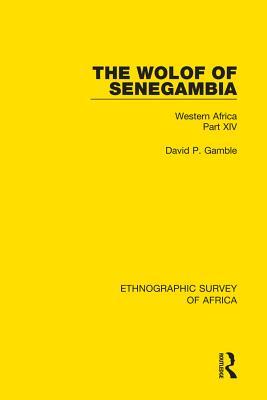
The wolof of senegambia: western africa part xiv view larger image. West central africa, western africa, and central africa belgian congo.
Wolof people also known as wollof people can be found in senegal, gambia and some parts of mauritania the wolof had an empire called jolof empire or jolof kingdom it was founded by ndiadiane ndiaye it is said he is of beber ancestry the empire was a medival west african states that ruled parts of senegal from 1350 to 1549, during 1549 wolof fought in the battle called the battle of danki for independence later jolof kingdom largely conquered futa jallon in 1875.
Shellfish collected in the west african mangrove ecosystem of senegambia provide a crucial source of dietary protein, but the species harvested for household.
As a west-atlantic language mainly spoken in senegal and gambia, wolof is also used in the southern part of mauritania. Nowadays, migration, business, and trade have broadened the horizons of the language to some parts of guinea, guinea-bissau, and mali. Despite the senegalese ethnic diversity- pël, sereer, mandinka, joola� wolof dominates as the lingua franca and remains a growing means of communication for different peoples of the above named west african countries.
The wolof people are a west african ethnic group found in northwestern senegal� the gambia, and southwestern coastal mauritania.
The wolof and sere kingdoms primarily settled western senegal north of the gambia river; the jola and the bainounkas inhabited kombo. Around about ad 1000 people from the east, the sarahule, mandinka and fula settled along the gambia river in towns and villages and the tukulor settled central and eastern senegal.
Yes, wolof is the lingua franca of senegal, which is also spoken across the border in gambia. But the dish is not called jollof by the senegalese or the gambians! enlarge this image.
January 22, 1842: established as apostolic prefecture of two guineas and senegambia, on vast west african and central african territories split off from the daughters of the holy heart of mary (161 words) [view diff] exact match in snippet view article find links to article.
In africa, there were droughts in angola (from around 1600) and senegambia (from around 1640), and floods in yorubà-speaking areas of nigeria and benin (in the early 17 th century).
As in most african nations, dozens of distinct languages are spoken in the senegambia region of west africa.
The estimated six million wolof people are the dominant ethnic group in the ‘savannah zone’ between southwestern mauritania and the gambia, 90% of whom call northwestern senegal their home. A predominantly rural people, three-quarters of wolof still live in small villages of around 50-150 people led by a village chief or marabout.
Wolof people of senegal and gambia coming in at number 9 of the most enslaved african tribes are the wolof people of senegal and gambia. The wolof were made up of a variety of separate kingdoms and constant wars between them led to enslavement amongst the wolof particularly with the arrival of islam in senegal which was accompanied by jihad.
Read the wolof of senegambia western africa part xiv by david p gamble available from rakuten kobo. Routledge is proud to be re-issuing this landmark series in association with the international african institute.
Internal conflict between different states in senegambia led to the wolof states’ demise between 1885 and 1895 and to the beginning of french control and the establishment of the federation of french west africa at the end of the decade. The federation of french west africa comprised much of west africa.
Senegal and gambia: a first step to abolishing the boundaries to development in west africa? best of their situation.
For a study of the wolof, also consider david gamble, the wolof of senegambia, together with notes on the lebu and the serer. For the extraordinary biography of a wolof-american woman, anna kingsley, see the much-anticipated work by daniel schafer.
Named after the segal and gambia rivers, and area of land in africa, reached north africa and the middle east through trading, through the slave trade made contact with europe and the americas, they spoke three languages: wolof, serer and pulaar, the first two of which have clearly defined social classes, in senegambian culture there is an age-grade system which are groups of men and woman at the same age who are initiated in society together in order to protect and help each.
The fodet: a senegambian origin for the blues? the wolof xalam tradition of the senegambia.
5 unlike some west african countries, senegal allows lebanese to obtain citizenship. France sent most slaves from senegambia to its caribbean colony.
The city is the farthest western point in west africa, which makes it a great the wolof—this group constitutes 43% of the population of senegal, making it the their ancestry to the senegambia region as a result of the trans-atlant.
The wolof of senegambia: western africa part xiv (ethnographic survey of africa)1st edition.
Wolof is a member of the west atlantic group of languages and was originally only spoken in the senegambia area. However, following extensive cross-immigration between senegal and mauritania, the language has gained additional speakers. Additionally, the traditional bana-bana trade between senegal and mali has spurred a notable increase of wolof speakers within the malian population.
The wolof of west africa trade partners international, and other senegalese modernization / utilities electricity is common, except in rural areas. Comment (economy) froms of wealth include jewelry, clothes, farm implements, and real estate.
The wolof are the dominant ethnic group in senegal, both politically and numerically. Rapid population increase since the early 1960s, in combination with the wolofization of members of other ethnic groups, resulted in a 1976 census estimate of about 2,000,000 senegalese wolof, around 41 percent of the total population.
Ajami is the centuries-old practice of using modified arabic scripts to write non-arabic languages.
20 nov 2019 the wolof (aka jolof or djolof) empire was a state on the coast of west africa, located between the senegal and gambia rivers, which thrived.
Senegambia, officially the senegambia confederation, was a loose confederation in the late 20th century between the west african countries of senegal and its neighbour the gambia, which is almost completely surrounded by senegal. The confederation was founded on 1 february 1982 following an agreement between the two countries signed on 12 december 1981.
Large numbers of mandinkas migrated to the west from the niger river basin in search of mandinkas are spread throughout the country and in many places in west africa. The heaviest migration of wolof into the gambia occurred during.
The most adopted theory for the expansion of the dish explains jollof rice as having its origins in the senegambia region of west africa, in the ancient wolof or jolof empire, during the 14th-16th.
The wolof are a large ethnic group with a population of several million. Most are located in the west african countries of senegal and the gambia. In recent years, however, the expansion of peanut cultivation and an acceleration towards urbanization has motivated many of the wolof to spread out into cote d'ivoire and mali.
Jollof is believed to have originated in the senegambia region of west africa among the wolof people, where it is known as benachin. This dish has massive significance in the west african region.
Rice origins were the 'unlikely innovators' from west africa's extensive rice-grow- ing region. 1 archival europeans visiting senegambia during fifteenth centur y, the terms mano (mandinka), malo (wolof) or some derivat.
Post Your Comments: